Tenerife as a Destination: Everything You Need to Know
2026. október 29., csütörtök, 16:20
Thinking about a holiday in Tenerife? This guide gives you the essentials in one place: where the island is, what makes it special, which documents you need, how to get there and around, and which part of the island suits you best. They call it the Island of Eternal Spring for a reason. The weather is rarely too hot or too cold, and that mild climate is only the start of the story.
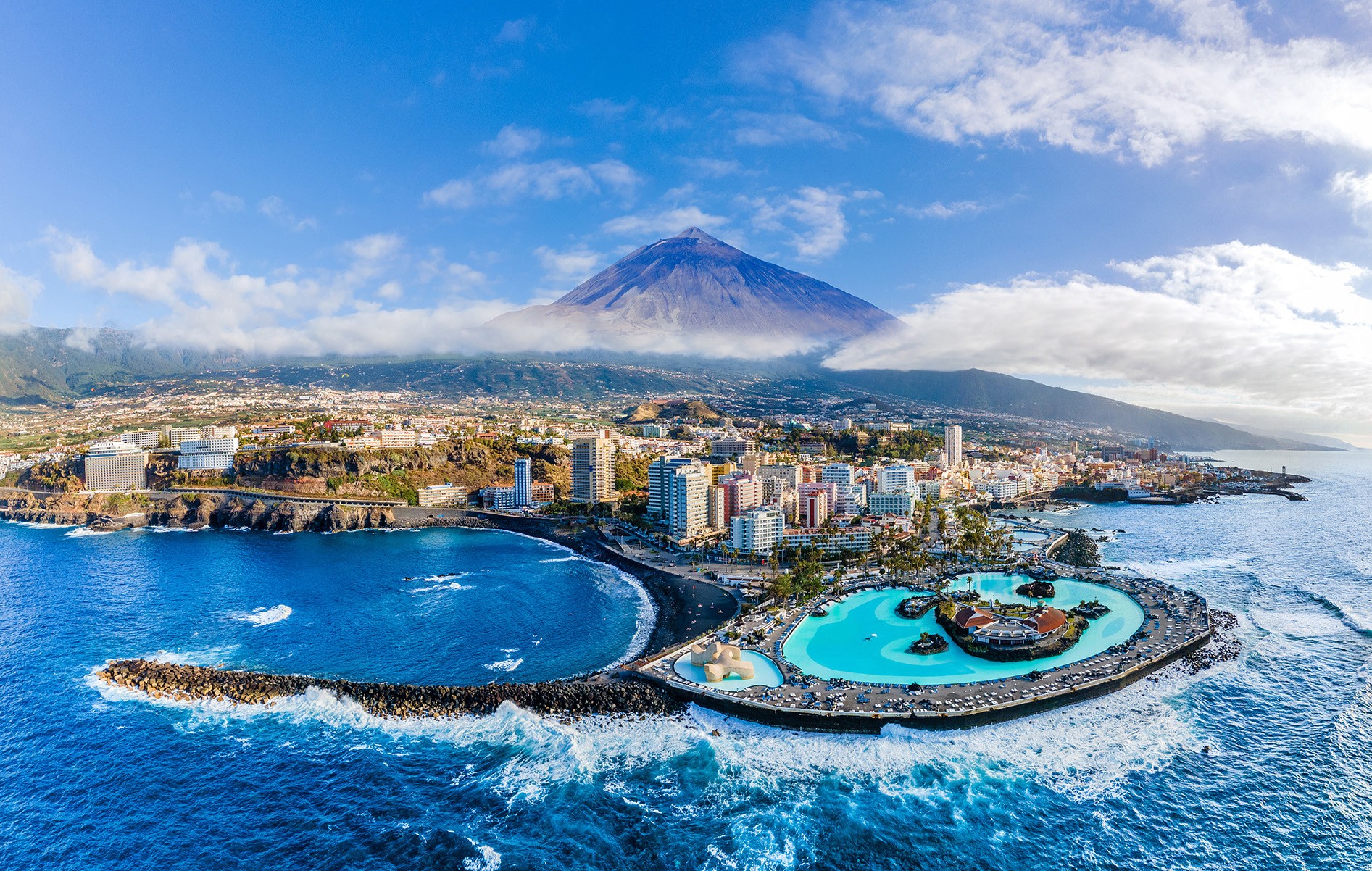
Puerto de la Cruz on Tenerife's north coast, with Teide rising above the clouds in the background. In the foreground are the seawater pools of Lago Martiánez, designed by César Manrique, and the black sand beach. It is rare to see the volcano, the ocean and city life this close together in a single picture.
What you can do on Tenerife
You won't find Caribbean-style white sand and turquoise water here. What you will find tends to stay with you for a long time. These are the experiences that are truly world-class on the island:
Volcanoes: 321 volcanoes and volcanic cones, topped by Mount Teide at 3,715 m (12,200 ft). You can get all the way to the top.
Natural ocean pools carved into the lava coastline.
Sunsets that many visitors count among the most beautiful of their lives.
A lava tube you can explore with a headlamp.
Unique plant life: dragon trees, Canary Island pines, laurel forest, the red tajinaste and a giant Ficus macrophylla.
Stargazing: Tenerife is one of the best places on Earth to watch the night sky. From 2,000 m (6,500 ft) the stars put on a show like a film.
Street life after dark: not Ibiza-style clubbing, but a relaxed, lively atmosphere in the streets.
Food and drink: local beers and wines, the barraquito layered coffee, award-winning local cheeses, ham, prawns, langoustines, camarones, chopitos, Canarian potatoes with mojo, carne con papas and the polvito uruguayo dessert.
Culture: hundreds of village fiestas, and the Santa Cruz carnival, often called the second-largest in the world.
Hiking and canyoning among gorges and waterfalls, plus a few spectacular abandoned places.
Cave dwellings by the thousand.
Golf on eight courses, playable all year round.
Ocean life: some of the best open-ocean and deep-sea fishing in the Atlantic, and dolphins and pilot whales in their natural habitat.
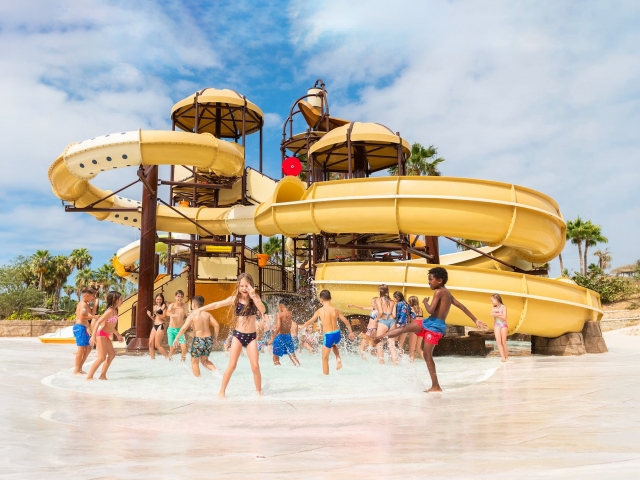
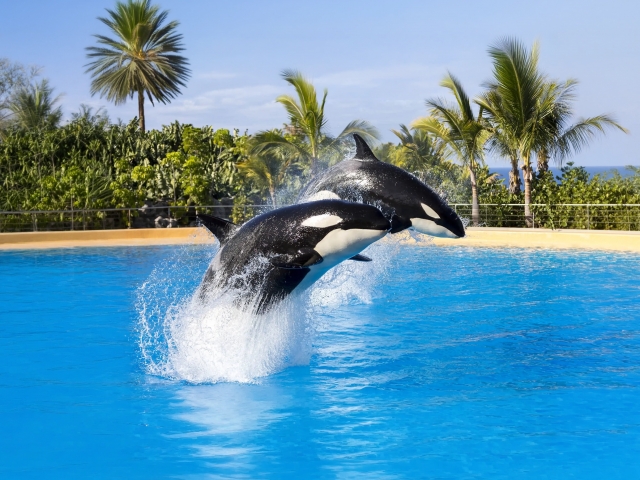
Family favourites: two zoos and Siam Park, all of them international award winners.
A real submarine trip below the surface.
More than a pretty view
A destination is more than its sights. On Tenerife it doesn't matter where you come from or what you do for a living. People come here for a sense of community, safety and calm, and many leave feeling more alive than when they arrived. That atmosphere is hard to describe, and it is a big part of why around 8 million people visit every year.
Internationally award-winning family experiences in Tenerife
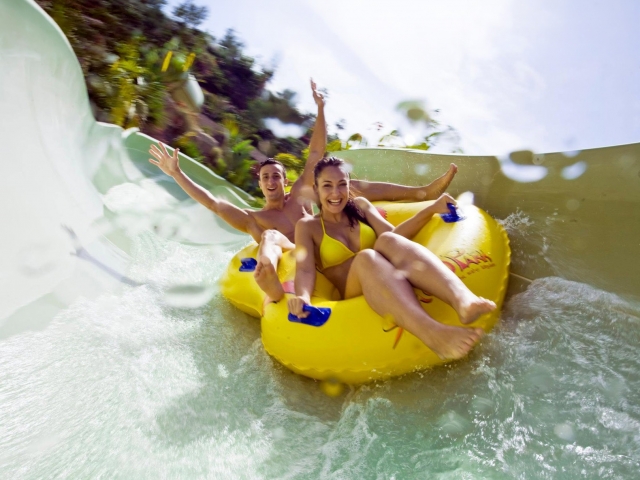
A világ legjobbjának választott, thai hangulatú vízi vidámpark 3 méteres mesterséges hullámokkal, látványos gyermek- és családi területekkel, valamint a nyugodt sodrófolyótól a 28 méteres szabadesésig terjedő attrakciókkal.
A világ legjobb állatkertjeként számon tartott Loro Parque nem egyszerű állatkert: több mint 400 állatfajt, valódi hóval kialakított antarktiszi élőhelyet, az óceánon kívüli legnagyobb korallzátonyt és világhírű állatbemutatókat egyesít egy páratlan, egész napos élményben.
Tenerife lies in the Atlantic Ocean, between Europe, Africa and the Americas. It belongs to Macaronesia, a volcanic region made up of four archipelagos:
Azores – Portugal
Madeira – Portugal
Canary Islands – Spain
Cape Verde – independent since 1975 (formerly Portugal)
The Canary Islands sit off the coast of Morocco and Western Sahara; Fuerteventura is only about 100 km (60 mi) from Africa. The name has nothing to do with the birds: it comes from the Latin word for dog, after the large dogs early visitors found on the islands.
The Canaries are an autonomous community of Spain, part of the European Union and the Schengen Area. Around 2.2 million people live on eight islands in two provinces:
Province of Santa Cruz de Tenerife (west, capital Santa Cruz de Tenerife): Tenerife, La Gomera, El Hierro, La Palma
Province of Las Palmas (east, capital Las Palmas de Gran Canaria): Gran Canaria, Fuerteventura, Lanzarote, La Graciosa
Tenerife, the "duck" island
Look at a map and you'll see that Tenerife is shaped like a duck, with a head, a body and a tail. The volcanic activity that built it began around 20 million years ago. The island took its present form about 3 million years ago, when three ancient massifs grew together: Anaga in the north-east, Teno in the north-west and the old massif in the south-west.
In the middle stands Teide, Spain's highest mountain at 3,715 m. The island is covered by a dense network of seismometers, so any future eruption can be detected well in advance. Visitors have nothing to worry about.
Nearly 1 million people, 43% of the Canary Islands' population, live on Tenerife. It is the largest and most populous island in both Spain and Macaronesia, and one of the most important tourist destinations in the world.
Practical information
Language: Spanish. English is widely spoken in the south, German is often heard in the north.
Currency: euro (€).
Arriving from the EU or a Schengen country: a national ID card is enough, but a valid passport is a good backup.
Arriving from elsewhere: your passport must be valid for at least 3 months after your departure date and issued within the last 10 years. A visa may be required depending on your nationality.
Maximum stay: 90 days within any 180-day period.
Vaccinations: no special vaccinations required.
Airports: Tenerife North (TFN) and Tenerife South (TFS).
If you arrive from outside the EU, border officers may ask for a return ticket, the address of your accommodation and proof of sufficient funds. The amount is linked to the Spanish minimum wage and is currently around €120 per person per day. Visa-exempt travellers will also need an ETIAS travel authorisation once the system is in operation. Always check the current rules on the official EU website and with the Spanish consulate.
The northern airport, Los Rodeos, was the site of the 1977 air disaster. That was one of the reasons the southern airport opened a year later, in 1978. Today both airports operate safely and comfortably; most international flights land in the south.
Climate and weather
The island is generally dry and warm, with two main climate zones: a hot, semi-arid south and a subtropical, Mediterranean-style north. On top of that, Tenerife has dozens of microclimates, so the weather can change completely within a short drive.
The short answer: daytime temperatures stay between about 20 and 28 °C (68–82 °F) all year round. Now and then a few days of hot air (calima) arrive from Africa and push the temperature higher. The ocean stays pleasantly balanced through the year, warm enough that Christmas on the beach is a local tradition.
The locals
Tenerife's economy grew from sugar cane, then wine, fishing and cochineal (the insect used for red dye). Today the island lives mainly from bananas and tourism. Locals are friendly, humble, helpful and hospitable. Most are Roman Catholic, and religious holidays and fiestas fill the calendar.
Roads, healthcare and safety
Roads are in very good condition, so a rental car is an easy way to explore the whole island.
Healthcare is professional and well equipped, with public and private hospitals across the island. EU travellers should bring their European Health Insurance Card (EHIC); travel insurance is recommended for everyone.
Wildlife poses no danger: there are no venomous snakes, scorpions or dangerous spiders, and no large animals that could cause an accident on the road. Do watch out for cats and dogs when driving.
Which part of the island suits you?
There is no single best place on Tenerife, because every corner has something to offer. The better question is which area suits you. The island has three big sections: the north, the south and the metropolitan area around Santa Cruz and La Laguna.
Los Cristianos – Costa Adeje (south-west): the main resort area with sandy beaches, hotels, restaurants, bars, nightlife, shopping centres and plenty of excursions. Ideal for sun, beaches and convenience.
Los Gigantes and Teno Rural Park (west): cliffs rising up to 600 m (2,000 ft) from the sea, and the tiny mountain village of Masca. For views and hiking.
The north – Garachico, Icod de los Vinos, Puerto de la Cruz, La Orotava: greener landscapes, historic towns and a more local feel. For culture, nature and a rural atmosphere.
Metropolitan area – La Laguna and Santa Cruz: the capital, a UNESCO World Heritage old town and city life. For city breaks and culture.
Anaga Rural Park (north-east): a biosphere reserve with laurel forests and traditional villages; for many, the real Tenerife. For hiking and authentic villages.
The south-east: drier, more barren and windy, with some surprising spots. For wind sports and off-the-beaten-track trips.
Teide National Park (centre of the island): the giant volcanoes at the heart of the island, spectacular by day and by night. For volcanic landscapes and stargazing.
Plan ahead
Popular experiences and the best time slots often sell out before you arrive. With FINESTPASS™, our local team recommends tried-and-tested tours and activities that you can book securely from home. For more detail, download our free digital travel guides.
Watch the full video too, and subscribe for the upcoming episodes, where we take a closer look at the island's history, weather and food:
 hu

 Costa Adeje