Tenerife Dangers: 8+1 Things to Know Before You Travel
2026. November 15., Sonntag, 08:00
On an average day in Tenerife, the rescue helicopter heads out four or five times, and most of the people it helps are not extreme athletes, just ordinary travelers like you. In this guide, based on our own local experience, we go through the 8+1 most common dangers, from falls on cliffs and razor-sharp volcanic rock to waves, currents and scooter hire, all the way to strong sunshine, the altitude on Mount Teide and beach theft, and explain how you can avoid them.
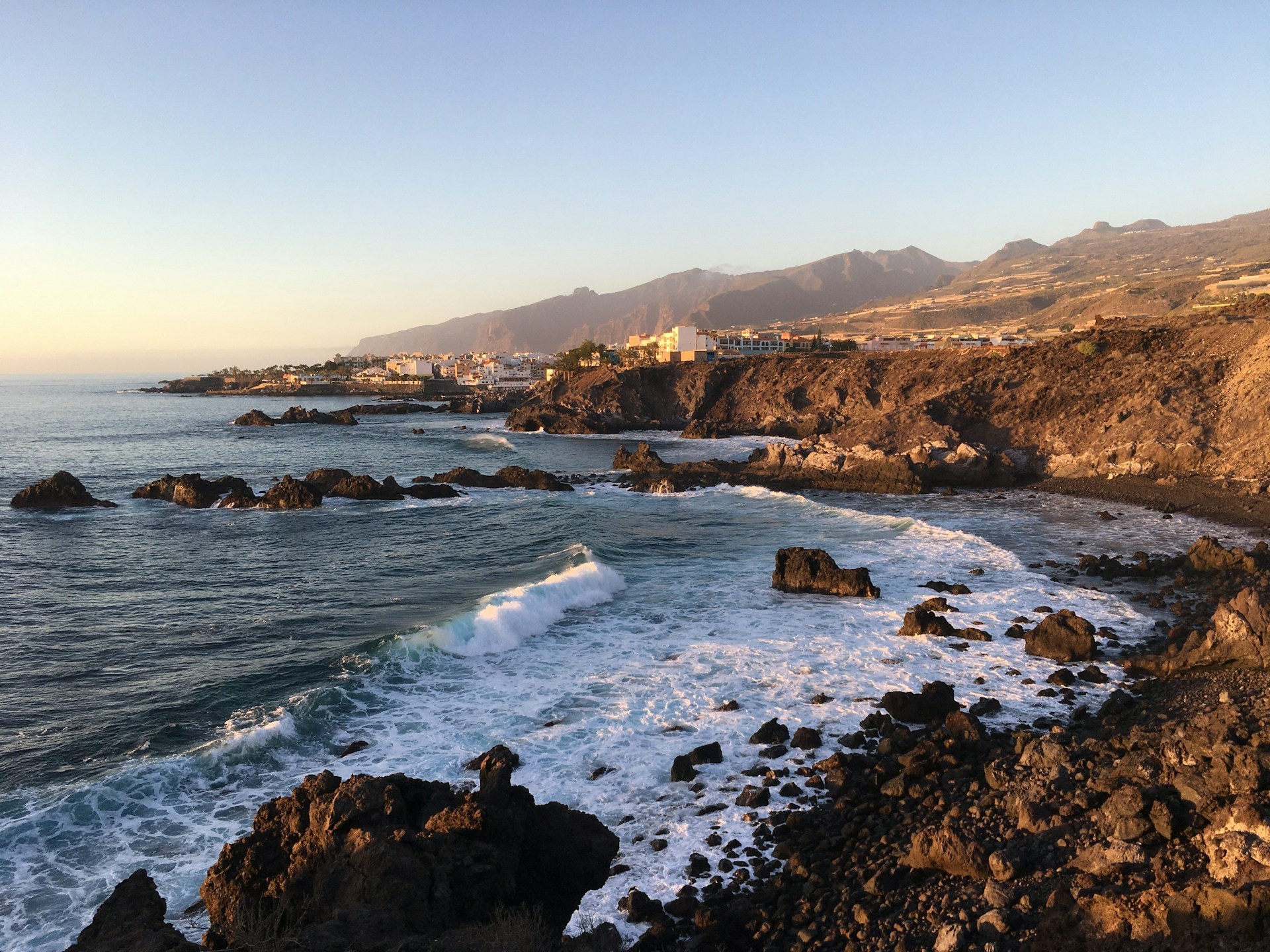
Waves breaking over volcanic rocks on the coast of Guía de Isora, on the west side of Tenerife. It looks like a peaceful stretch of coastline, but the Atlantic's waves and currents can surprise you even on the calmest days.⏐Fotó: Unsplash, Maria Bobrova
On an average day in Tenerife, the rescue helicopter heads out four or five times, helping travelers whose dream holiday has suddenly turned into an ordeal. These are ordinary people just like you: they are not extreme athletes, and they are not looking for danger. If you read only one article on our blog from start to finish, we suggest you make it this one.
Tenerife is a real paradise in so many ways. As locals, we can tell you this place is simply amazing, but you really need to know how to respect it. Even if you come from elsewhere in Europe, you may not fully grasp what a volcanic island and the Atlantic Ocean can throw at you. In this guide we go through the hazards that send so many visitors to hospital every year, so that you can avoid them. If you're just getting to know the island, start with the basics in Tenerife as a Destination: Everything You Need to Know.
In short: the most important rules
Never enter closed areas, and never climb over barriers or railings.
Always keep at least 1–1.5 m (3.3–4.9 ft) away from the edge of a cliff.
Don't go hiking in rain or strong wind.
Never underestimate the Atlantic: waves and currents can surprise you even on the calmest day.
Think twice before renting a motorbike or scooter.
Never head out without a hat and sunscreen, even when it's cloudy.
Only go up to the summit of Teide or the upper cable car station if you're in excellent health.
Never leave valuables unattended on the beach or in your rental car.
1. Slipping and falling from cliffs
The most common danger is slipping or falling from cliffs and rocks, where you could end up following the loose stones all the way down to the bottom. The safest way to avoid this is really quite simple:
Never enter any area that is clearly marked as closed.
Never climb over barriers or railings.
Keep your distance: if you're walking along a trail, whether in the mountains or on the coast, always stay at least 1–1.5 m (3.3–4.9 ft) away from the edge.
No matter how safe a path may look, the rock can shift or break off at any moment. Be extremely careful, because one wrong step can send you straight down. You really wouldn't believe how many people end up like that.
2. Falling rocks
Rockfalls are usually caused by three main things:
Small earthquakes: they can be so tiny that you may not even notice them.
Rain: it loosens the ground and the rocks.
Strong wind: it can dislodge rocks and send them rolling downhill.
There are other causes too, but these are the main ones. Keep in mind that something is happening almost every day: it's very rare to have no rain, no wind and no minor seismic activity at all. So avoid spending too much time on winding roads with steep rock faces right next to you, because a rockfall can happen at any moment. If you're passing through on foot, don't stop there for a snack, even if it's shady: keep moving until you're completely clear of the rock face above you, and stay alert.
A tip from locals: if it's raining or the wind is strong, do not go hiking. No matter how experienced you are, the conditions are out of your hands, so don't take the risk.
3. Trips and falls
They may not sound too dangerous at first, but remember that in Tenerife you're stepping onto a volcanic island, and that matters (you can read about how the island was born in The History of Tenerife). Many of the rocks here are incredibly hard and razor-sharp.
Let's say you're walking through Teide National Park. You look away for a second, trip over a rock and go down hard. This won't feel like falling at home, because you'll land on volcanic rock sharp enough to cause very serious injuries: we're talking broken bones, skull fractures and head injuries.
So please watch every step. Keep your eyes on the ground right in front of you, and stay on the marked paths whenever possible. They were laid out and paved for your safety, so only leave them in rare circumstances.
4. Remote beaches and natural pools
So many people come to Tenerife thinking: "I want to find a secret place to swim, somewhere wild and untouched." But there is no guarantee that, during the 8 days you're here, that beach will actually be safe for swimming. And this is exactly what we see so often: many people go anyway, because it's their holiday, they've only got 8 days, and they're not going to miss out. Which beaches you can safely enjoy without local knowledge, we explain in our guide to Tenerife's beaches.
Our advice: skip it, or make sure you have local support. Try not to travel with agencies that have no day-to-day connection to Tenerife or the Canary Islands, because they simply can't give you up-to-date information. You can also download our free Tenerife travel guides, packed with practical tips and local advice that can help you plan your trip more confidently.
Natural pools in Tenerife are closed quite often, sometimes temporarily and sometimes for a long or even indefinite period. This is mainly because of the many injuries and accidents, and sadly, the fatalities.
Never underestimate the waves
On the coast you really need to watch how powerful the waves are. Even on the calmest stretch of coastline, you can get a surprise that can wreck your holiday. The waves may not look big or dramatic, but massive ones can appear anywhere, even on the most popular beaches. Please never underestimate the Atlantic Ocean: this is why so many people get into trouble, and why rescue helicopters are called out to bring them back.
A heartbreaking story shows just how real this danger is:
“It happened right in the middle of our holiday in Tenerife. My partner was standing on a cliff with his friend, and I was watching them from above. I started walking down the stairs that led to where they were standing. I saw a huge wave coming out of nowhere, truly out of nowhere, because until then there had only been tiny little waves. It was so strong that it swept my partner and his friend away and pulled them both into the ocean. Unfortunately, my partner didn't survive.”
– a woman recalled in a TV interview.
5. Currents and beach flags
When you arrive at the beach, chances are you'll see flags in different colors. There are three main ones:
Green: you can go in and swim, but you still have to be really careful.
Yellow: under no circumstances should you go deeper than about waist height.
Red: swimming is strictly forbidden. People still go into the ocean anyway, but if you do step into the water, never go deeper than knee height.
The problem is that currents can easily sweep you away. A rip current works like this: imagine a bay where you swim out near the middle. The water can suddenly catch you and pull you straight out into the open ocean. No matter how hard you swim back towards the shore, you keep getting pulled further away. Panic and shock can quickly take over, and then you can end up in serious trouble.
There is a way out, but not everyone manages it under that kind of pressure:
Don't fight the current head-on by swimming straight towards the shore.
Swim sideways, parallel to the beach, to the left or the right. There's a very good chance you'll get out of the current at its edge and make it back from there.
Your absolute safest option, of course, is not getting caught in a current at all. That's why we don't usually recommend that visitors swim out into deeper water. If you'd like to get to know the ocean up close, choose an activity where an experienced local team looks after you.
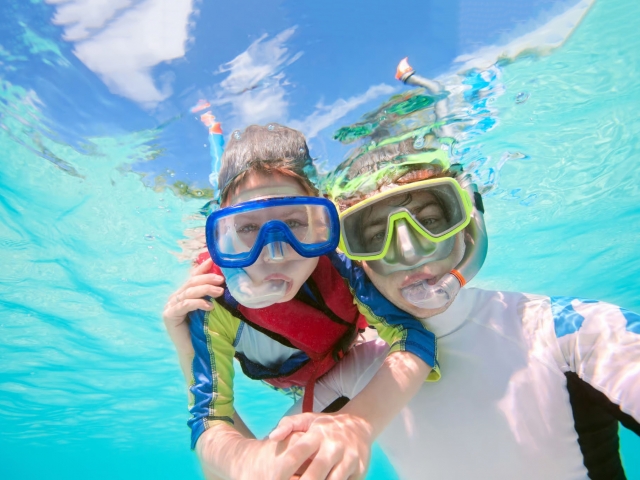
Schnorcheln in Küstennähe oder vom Boot aus, wobei du mit Maske und Flossen Teneriffas vulkanische Formationen und vielfältige Unterwasserwelt entdecken kannst.
Geführtes Paddeln in stabilen Kajaks, auch für Anfänger geeignet, am Fuße der mehrere hundert Meter hohen Klippen von Los Gigantes, mit einer Pause und einem Schnorchelstopp.
Personally, we don't recommend it at all. There are a lot of motorbike accidents here, and Tenerife just isn't built for it. On Crete, Cyprus, Malta, Mallorca or Ibiza, a rented scooter can be a great way to get around, but you can't really ride all the way around Tenerife on one. In the towns of the south, renting a scooter can actually be a good idea, but once you leave this area, riding one can become genuinely dangerous, even life-threatening.
We also don't recommend sport bikes, because there's basically nowhere in Tenerife where you can properly open one up and enjoy the thrill. There are runners, cyclists and tourists crossing roads everywhere, so riding flat out is a really quick way to hit someone.
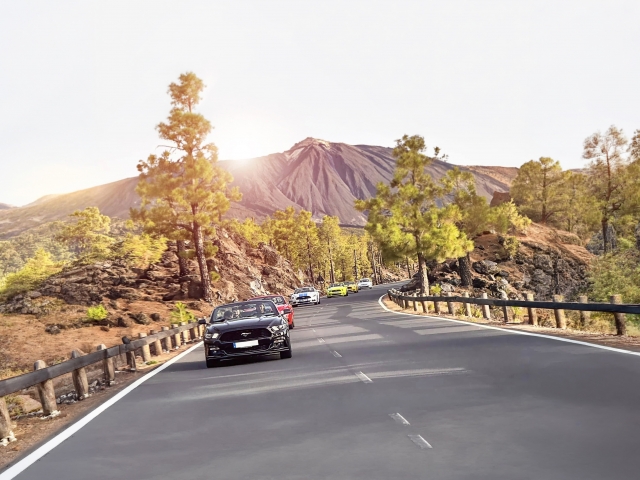
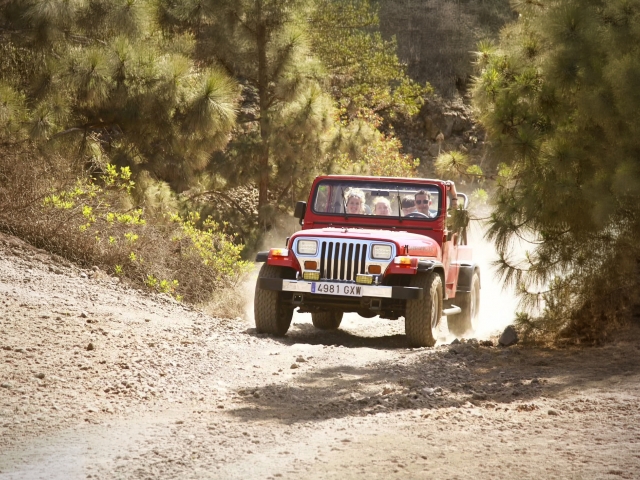
If you really want to ride, there are two options we usually recommend: a chopper or a touring bike. You can find experiences like these on FINESTPASS™ too, if you want to see what all the fuss is about. Let everything else go, especially pit bikes. And if you'd like to explore Teide in style on four wheels, these tours are a great choice as well:
Tenerife lies off the coast of Africa, fairly close to the Tropic of Cancer, so the sun is much stronger here, and a lot of people underestimate it. Sunstroke can hit you very quickly, and it can ruin a third or even half of your holiday before you know it.
Hat: never go anywhere without one.
Sunscreen: we've seen plenty of people turn lobster red in no time, especially the British, but also friends, relatives and people we know. Some blistered badly: they got burned on day one and then spent five straight days screaming in pain whenever anything touched them. Whether sitting, driving or trying to sleep, they were in agony, and the holiday was officially cremated.
Even when it's cloudy: many people don't know this, but Tenerife can quietly roast you through the clouds before you even notice.
We explain why the sun is so strong and what to expect in different parts of the island in our article on Tenerife's weather.
8. Altitude
Mount Teide officially rises to 3,715 m (12,188 ft). Only go to the summit, or even to the upper cable car station, if you're in excellent health. If you have any health issues, especially heart, circulation or lung problems, you should not attempt the trip.
The old caldera, home to Teide and Pico Viejo, sits roughly between 2,000 and 2,350 m (6,562 and 7,710 ft), and some people already feel unwell there. If you take the cable car up to 3,555 m (11,663 ft), the effects can be much stronger, especially on the final climb, which reaches 3,715 m (12,188 ft). Only attempt the ascent from the upper station to the summit if you're in absolutely perfect physical condition.
On FINESTPASS™, you'll find very detailed health information for all of the Teide experiences, so be sure to read it before you book. If you'd like to get used to the altitude gradually, a night at the parador at the foot of Teide, above 2,000 m (6,560 ft), can also help, as we explain in our guide on where to stay in Tenerife.
Teide experiences with detailed health information
Mit der Seilbahn bis zur Bergstation (3.555 m / 11.663 ft), danach mit einem lokalen Guide weiter zum Gipfel des Teide (3.715 m / 12.188 ft) - dem höchsten Punkt Spaniens. Das vollständigste Vulkanerlebnis auf Teneriffa.
Private Hochgebirgswanderung bis zum Kraterrand auf 3.715 Metern mit namentlich ausgestellter Genehmigung und eigenem privaten Guide, anschließend Abfahrt mit der Seilbahn.
Beach theft and car break-ins do happen on the island, so you need to stay alert.
Between El Médano and Las Américas there's a rougher stretch where beach theft happens more often.
From Costa Adeje to Los Gigantes, things are much calmer, and the nights are far more relaxed.
On the east coast and in Los Cristianos, there have been some interesting characters around lately.
Car break-ins happen too, so make sure you never leave any valuables in your rental car. We cover the island's areas and which one suits whom in our accommodation guide, and car hire at the airport in our guide to flying to Tenerife.
To sum up
This article didn't turn out very cheerful, but someone has to talk about these things too. These are the most common problems that happen on the island every single day. If you keep them in mind, Tenerife will be exactly the paradise we locals know it to be. Take good care of yourself!
Plan ahead
You can enjoy the island's best experiences through safe, tried-and-tested activities, and they're worth booking well in advance: the best dates and time slots can fill up long before you arrive. With FINESTPASS™, you can securely book tours and activities tried and tested by our local team from home. For more detail, download our free digital travel guides.
Der als bester Zoo der Welt geltende Loro Parque ist kein gewöhnlicher Zoo: Er vereint mehr als 400 Tierarten, einen mit echtem Schnee gestalteten antarktischen Lebensraum, das größte Korallenriff außerhalb des Ozeans und weltberühmte Tierpräsentationen zu einem einzigartigen ganztägigen Erlebnis.
Ein Wasserpark im thailändischen Stil, der zum besten der Welt gewählt wurde mit 3 Meter hohen künstlichen Wellen, spektakulären Kinder- und Familienbereichen sowie Attraktionen, die vom ruhigen Strömungskanal bis zum 28 Meter hohen freien Fall reichen.
Eines der wichtigsten Observatorien der Welt - neben Chile und Hawaii. Dank der außergewöhnlichen Sichtbedingungen untersuchen internationale Forschende die Sonne und Phänomene des Universums.
 de


 Amarilla Golf